

Archive report · 2026-10-31
The Bombay High Court pressed the BMC to demonstrate its work against Mumbai’s air pollution during a hearing on 30 October 2026. The Times of India reported the remarks in proceedings on Vanashakti’s interim application in a continuing public-interest case. The hearing was adjourned; the report did not establish a final decision resolving every issue raised.
What did the parties put before the court?
The newspaper identified the bench as Justices Ajey Gadkari and Kamal Khata. Vanashakti’s counsel raised concern about particulate pollution and additional emissions around Diwali. The state referred to directions in a separate firecracker matter, while the NGO said the broader case covered other pollution sources.
The BMC’s counsel objected that the NGO was already before a court-constituted high-powered committee. The account said the judges expected the corporation to perform its duty and show results, and listed the next hearing for 30 November. That was the reported procedural position, not a finding of criminal liability or a new blanket ban.
Remarks, submissions and orders need distinction
An advocate’s account of pollution is a submission to the court. A judge’s observation during a hearing is important to report, but it should not automatically be rewritten as a detailed operative direction that the available account does not reproduce. The terms of any binding order need their own text.
This is also a different development from a civic publicity campaign or a request to publish sensor data. Those concern specific administrative initiatives. This story concerns judicial scrutiny of the corporation’s response and the positions taken in the proceeding.
Showing work requires more than an assurance
The records that would make implementation assessable include dated inspections, action taken and evidence of compliance at the sources targeted. Ambient measurements would separately help evaluate conditions over time. Announcing an enforcement drive does not itself establish its effect on pollution, just as a single reading cannot attribute the city’s problem to one source.
At this archive cut-off, the confirmed event was the hearing, the reported observations and the adjournment. No later order or outcome of the next hearing is assumed. The article does not offer a medical assessment or claim that the court had finally decided each contested factual allegation.
Quick answers
Was there a final ruling on all the pollution allegations?
No such final resolution was established by the cited hearing report.
What did the BMC object to procedurally?
Its counsel said the NGO was already before a court-constituted committee.
Was the next hearing already completed?
No. The report recorded 30 November as a future listing.
Sources and archive context
The Times of India, 30 October 2026: hearing, submissions, observations and next listing
This report records the position at the stated historical publication date. Proposals, allegations and anticipated events are not presented as final outcomes.
More Mumbai political news · IndianVoter newsroom
Image source
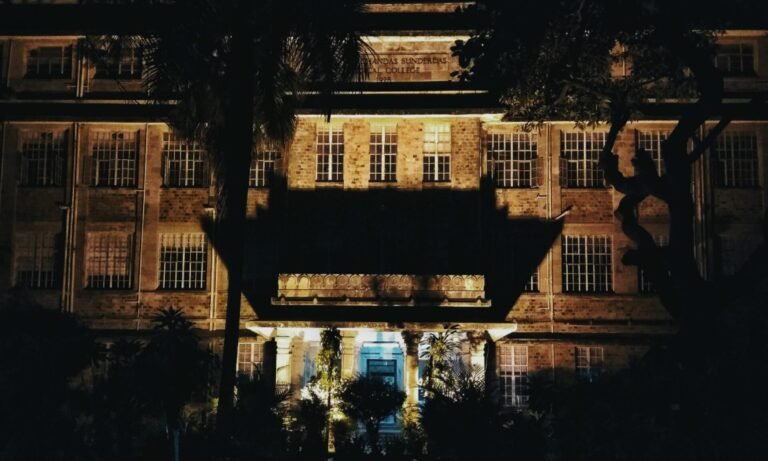
The Bombay High Court building photographed on 9 June 2018. Archive institutional photograph; not the October 2026 hearing. Photo: Pinakpani / Wikimedia Commons original file page · CC BY-SA 4.0. Resized where applicable; display crops may be applied. The photograph remains under the linked licence.



Join the discussion