
Archive report · 2026-10-07
The BMC’s proposed shelter arrangement for stray dogs collected from specified public locations faced questions about available space and long-term care in early October 2026. The administration described a two-year, ₹13.35-crore proposal; animal-welfare representatives questioned whether the necessary capacity existed. No completed relocation of all identified dogs was established by the reports.
What arrangement did the BMC propose?
The Free Press Journal’s 5 October account described a proposed contract with the Janice Smith Animal Welfare Trust. Dogs collected from locations such as schools, hospitals and transport facilities would undergo sterilisation and vaccination before moving to designated shelters. The reported payment was ₹155 per dog per day for care and related services.
The proposed monitoring included photographic and GPS-linked records, with responsibility for food, water, treatment and hygiene. These were intended contract requirements, rather than a completed inspection finding that every shelter already met them. The account said continuation beyond the initial period would depend on review.
What did welfare representatives question?
The newspaper’s 7 October follow-up reported a civic estimate of around 10,000 dogs in the specified areas. PAWS Mumbai secretary Sunish Subramanian and activist Roshan Pathak questioned the feasibility of large-scale sheltering and argued for sustained sterilisation and vaccination. Their criticism was an assessment of the proposal, not proof that every part of it had failed.
The follow-up also described difficulty finding sufficient land and the lack of progress on an earlier invitation for large shelters. A numerical estimate of dogs does not itself show how many suitable places are ready, how quickly they can be created or how ongoing care would be funded.
Capacity is more than a plot of land
The implementation record would need to connect each animal’s intake with a functioning place, staffing and continuing care. A contract amount can indicate what the city proposes to spend without demonstrating that this chain is in place. Conversely, a capacity objection needs to be tested against the actual facilities and operating plan.
For civic oversight, the useful comparison is between the dogs covered, available shelter places, expenditure and welfare inspections over time. Publishing those measures would allow the public to assess the programme without reducing the issue to either a relocation target or an isolated photograph.
This historical report records a contested municipal proposal. It does not interpret the full scope of court directions, declare a blanket citywide rule or assume later relocation outcomes. The administration’s proposed system and the welfare representatives’ concerns remain distinct parts of the record.
Quick answers
Had all 10,000 dogs already been relocated?
No such completed outcome was established in the cited accounts.
What was the proposed initial contract period?
Two years, according to the 5 October report.
What was the main implementation objection?
Whether sufficient suitable shelter capacity and continuing care could be provided.
Sources and archive context
Free Press Journal, 5 October 2026: proposed contract and monitoring
Free Press Journal, 7 October 2026: capacity debate and welfare representatives’ response
This report records the position at the stated historical publication date. Proposals, allegations and anticipated events are not presented as final outcomes.
More Mumbai political news · IndianVoter newsroom
Image source
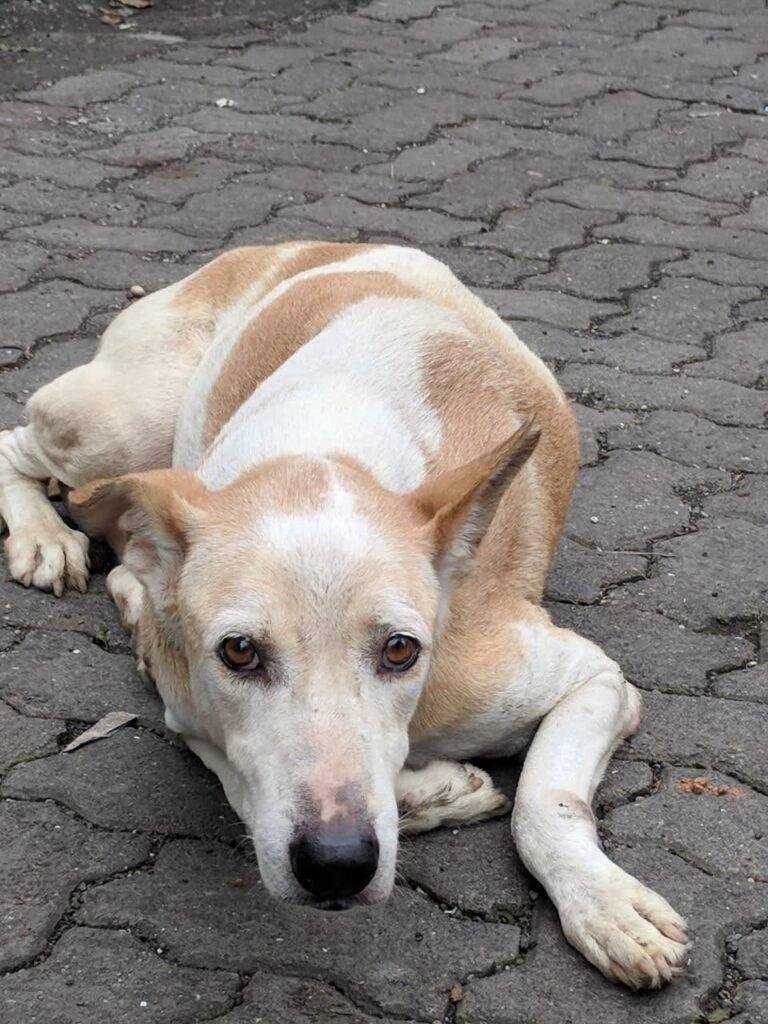
An Indian pariah dog on a Mumbai street, photographed on 12 September 2019. Archive photograph; the dog is not identified as part of the proposed 2026 shelter programme. Photo: KUNAL PAI / Wikimedia Commons original file page · CC0. Resized where applicable; display crops may be applied. The photograph remains under the linked licence.



Join the discussion