

Archive report · 2026-10-02
Thousands gathered at Mumbai’s Shivaji Park on 2 October 2026 for a Cockroach Janata Party protest demanding Chief Election Commissioner Gyanesh Kumar’s resignation. The gathering brought allegations about electoral-roll practices into a prominent city public space. The protesters’ accusations remained contested; attendance did not establish electoral manipulation as a proven fact.
What was recorded on the day
The Indian Express’s live account described the crowd and speeches, including remarks by organiser Abhijeet Dipke. It recorded a police estimate of about 4,000 participants at one point during the evening. Other accounts used different totals, so this report uses “thousands” rather than presenting one estimate as a definitive headcount.
Reuters described participation by young protesters and reported the demand for Kumar’s resignation. It also recorded the Election Commission’s explanation that electoral-roll revisions remove deceased, duplicate or otherwise ineligible entries. That response matters: the protest’s criticism and the institution’s account were different positions in an unresolved dispute.
A separate question about permission
Before the gathering, Mumbai Police had said it could not approve the proposed Shivaji Park protest under the restrictions governing the ground, according to Moneycontrol’s 28 September account. The police cited court and state-government directions. Organisers questioned the treatment of political events at the venue.
The Express’s 2 October coverage said police maintained that permission had not been granted. It reported no detentions at a stated early-evening checkpoint. That time-specific observation should not be extended into a claim about everything that happened later that night or on subsequent days. This archive closes with the information available that evening.
Three records need separate scrutiny
The content of an electoral allegation, the legality of a particular assembly and the size of a crowd are separate questions. Evidence about one does not decide the others. A large protest can demonstrate mobilisation while leaving its substantive allegations unproven; a permission dispute does not itself answer those allegations either.
For the electoral issue, the relevant evidence would be identifiable entries, the applicable revision procedure and the institution’s recorded reasons. For venue use, it would be the operative directions and the actual permission correspondence. Keeping those records distinct makes the controversy easier to assess without treating either a rally speech or a police statement as the final word on every issue.
Quick answers
What did the protesters demand?
The resignation of Chief Election Commissioner Gyanesh Kumar, amid objections to electoral-roll practices.
Is one crowd figure treated as final?
No. Estimates differed; this report uses the broader description “thousands”.
Did the gathering prove the electoral allegations?
No. The allegations and the Election Commission’s response require assessment against their underlying records.
Sources and archive context
The Indian Express, 2 October 2026: dated live account and police observations
Reuters, 2 October 2026: protesters’ demand and Election Commission response
Moneycontrol, 28 September 2026: earlier permission dispute
This report records the position at the stated historical publication date. Proposals, allegations and anticipated events are not presented as final outcomes.
More Mumbai political news · IndianVoter newsroom
Image source
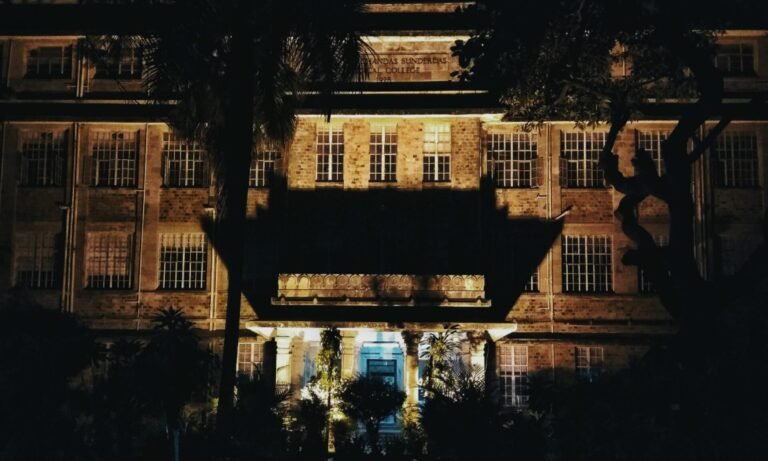
Shivaji Park, Mumbai, photographed on 6 June 2020 during the pandemic period, with the photographer in the foreground. Archive location photograph; not the October 2026 protest. Photo: Rudolph.A.Furtado / Wikimedia Commons original file page · CC0. Resized where applicable; display crops may be applied. The photograph remains under the linked licence.



Join the discussion