Author: aamersiddiqui

  • BJP plans Jaipur march as Rajasthan voter-list campaign begins

    BJP plans Jaipur march as Rajasthan voter-list campaign begins

    JAIPUR: The BJP has planned a November 5 programme in Jaipur as part of a Rajasthan campaign responding to Congress allegations about the Special Intensive Revision of electoral rolls, according to a report published on October 30.

    The statewide campaign was scheduled to begin in Kota on October 30 with Chief Minister Bhajan Lal Sharma and state BJP president Madan Rathore. Its first phase was planned through November 5 across 15 districts, with the remaining districts to follow after Diwali.

    Union minister Ashwini Vaishnaw was expected to participate in Jaipur. Organisers set a mobilisation target exceeding 10,000 people for the city programme and assigned party officials responsibility for preparations.

    Campaign convener Ramlal Sharma described plans for a meeting at Ramlila Maidan followed by a march towards Tripolia Gate. The chief minister and Rathore were also described as likely participants.

    The BJP said it would defend the credibility of voter lists and answer Congress’s criticism. These were announced plans as of October 30; this article does not report that the November march had already occurred or that the turnout target had been achieved.

    Source and image

    Archive report rewritten by IndianVoter Desk from The Times of India, 2026-10-30. The article date follows the source publication date. Compiled for the September–October archive on 30 October 2026.

    Image source

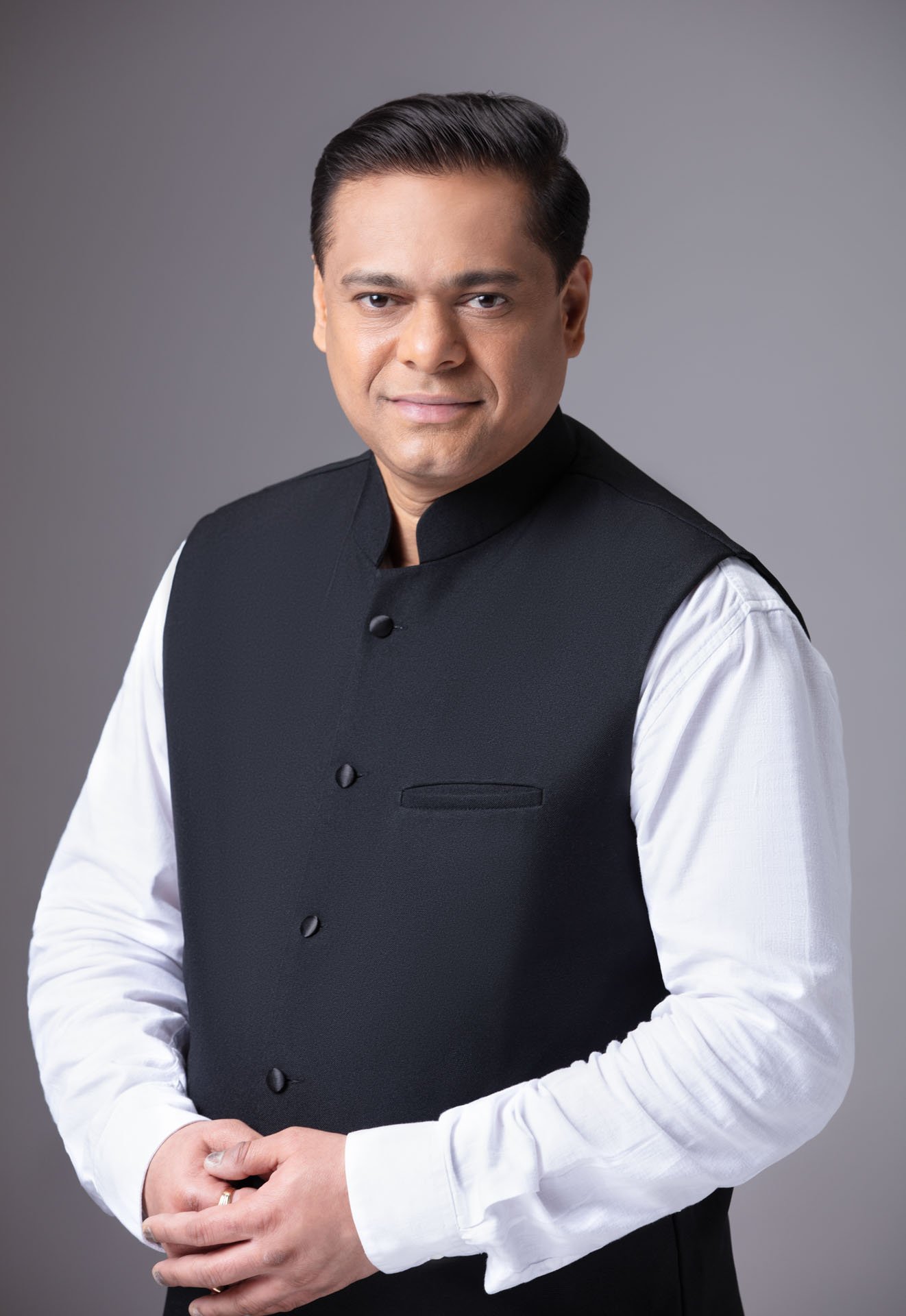
    Bhajan Lal Sharma in December 2023. Archive portrait; not the planned November 2026 Jaipur march. Photo: Ministry of Defence / Wikimedia Commons · GODL-India. Display crops may be applied.

  • Maharashtra council results give MVA three of five graduate and teacher seats

    Maharashtra council results give MVA three of five graduate and teacher seats

    MUMBAI | MAHARASHTRA | 29 OCTOBER 2026

    The opposition Maha Vikas Aghadi won three of five Maharashtra Legislative Council constituencies for graduates and teachers, while the ruling Mahayuti secured two, according to results reported on 29 October. The contests offered a test of party organisation among these specialised electorates rather than a statewide Assembly verdict.

    How the five seats divided

    Congress took the Nagpur Division Graduates’ seat. The Nationalist Congress Party (Sharadchandra Pawar) won the Pune and Chhatrapati Sambhajinagar (Aurangabad) Division Graduates’ constituencies. The Bharatiya Janata Party won Pune Division Teachers’, and the Shiv Sena won Amravati Division Teachers’, giving the opposition alliance a three-to-two edge in this set of results.

    The Nagpur race drew particular attention because it was closely fought and counted over an extended period. Congress candidate Abhijit Wanjari retained the seat against BJP challenger Sudhakar Kohale. The result was politically resonant in a region associated with senior BJP leaders, but one council seat cannot be read as a forecast for a future general or Assembly election.

    What a council result means

    Graduate and teacher constituencies have electorates and eligibility rules distinct from ordinary Assembly seats. These members sit in the Legislative Council, the upper house of Maharashtra’s legislature. The five results alter representation there and provide each alliance with a political signal, while the state government continues to be determined by the Legislative Assembly.

    This report uses the completed five-seat tally published on 29 October 2026. Earlier counting updates gave incomplete pictures while the Nagpur race remained unresolved.

    Sources and image

    Sources: Mid-day, final constituency results, 29 October 2026; The Indian Express, Nagpur count.

    Image source

    Vidhan Bhavan in Mumbai. Archive venue photograph; not the counting of council votes. Photo: Prashant Nadar / Wikimedia Commons · CC BY-SA 3.0. Display crops may be applied.

  • Ahmedabad opens 2027–28 budget to citizen proposals with October 30 deadline

    Ahmedabad opens 2027–28 budget to citizen proposals with October 30 deadline

    Archive report · 2026-10-29

    Ahmedabad Municipal Corporation invited residents to submit development suggestions by 30 October 2026 as it began preparing the 2027–28 civic budget, expected to be presented in February 2027. The announced consultation covered everyday infrastructure and services. Sending an idea would place it before the administration for consideration; it did not guarantee a project or an allocation.

    What residents were invited to raise

    Gujarat Samachar’s 28 October report identified roads, drinking-water supply, underground drainage, street lighting, sanitation and neighbourhood parks among the subjects. It attributed the consultation announcement to mayor Hitesh Barot and standing committee chairman Kamlesh Patel.

    The reported submission address was amcbudget2728@gmail.com, with a request to include a name, mobile number and email address. These are the details published for that historical consultation window. This archive is not a fresh invitation after its closing date and does not imply that submissions made later would be accepted.

    A useful proposal identifies a place and a service gap

    A neighbourhood suggestion is easier to assess when it identifies the location and the problem separately from the proposed remedy. For example, a resident describing a poorly lit walking route can specify the stretch and how it is used, rather than simply asking for a citywide improvement in lighting. This is an illustration of how to make a suggestion specific, not an additional municipal submission requirement.

    Likewise, a request for a new facility differs from a complaint about a service that already exists. The former may need budget provision and project preparation; the latter may need an operational response. The consultation should not be treated as a substitute for an urgent service complaint or an emergency channel.

    Review comes before an approved allocation

    The report said officials would examine incoming suggestions while preparing the financial plan. It did not publish an itemised list of accepted proposals for 2027–28, individual project costs or a ward-by-ward selection decision.

    For readers following the process, the useful comparison would be between the proposal submitted and the provision eventually included in the budget. An acknowledgement, if supplied, would demonstrate receipt; an allocation would show a financial decision; a completed work would require a later delivery record. Those stages answer different questions.

    At this archive cut-off, the confirmed development was the invitation and its October 30 deadline. No later budget approval, construction award or acceptance of a particular resident’s idea is imported into this October account.

    Quick answers

    What was the submission deadline?

    October 30, 2026, for the reported consultation window.

    Which budget was being prepared?

    The 2027–28 municipal budget, expected in February 2027.

    Did submitting an idea guarantee funding?

    No. Proposals were to be reviewed before budget decisions.

    Sources and archive context

    Gujarat Samachar, 28 October 2026: public consultation, subjects and submission details

    This report preserves the position at its historical publication date. Later decisions and outcomes are not included.

    More Ahmedabad political and civic news · IndianVoter newsroom

    Image source

    Ahmedabad Town Hall photographed on 2 January 2012. Archive photograph of a municipal civic venue; not the October 2026 budget consultation or an image of the corporation headquarters. Photo: Dhruvdhakan / Original file page · CC BY-SA 3.0. Resized where applicable; display crops may be applied. The photograph remains under the linked licence.

  • Zeeshan Siddique appointed to lead NCP’s Mumbai unit

    Zeeshan Siddique appointed to lead NCP’s Mumbai unit

    Archive report · 2026-10-29

    The Nationalist Congress Party appointed Zeeshan Siddique as president of its Mumbai unit on 28 October 2026. The Free Press Journal reported the announcement by party president Sunetra Ajit Pawar and carried Siddique’s own acknowledgment. The appointment changes responsibility within the party’s city organisation; it does not install a mayor or alter the BMC’s elected composition.

    What was announced?

    The report said appointment letters were handed over at Devgiri in the presence of Sunetra Pawar and Parth Ajit Pawar. It also reported a separate national communication role for Umesh Patil. The two positions serve different organisational functions, and Patil’s national appointment is not counted as an additional Mumbai development here.

    In the statement reproduced by the newspaper, Siddique acknowledged the city role and said he intended to strengthen grassroots organisation and work with young people. Those are stated priorities, not measured organisational achievements already demonstrated by the appointment.

    Party office and public office are different

    A city party president coordinates an organisation and its activities. Appointment to that position does not, by itself, confer municipal executive powers, establish control of a committee or change a ward result. This distinction matters when assessing what the announcement means for Mumbai’s governance.

    It also does not establish a new alliance agreement. Cooperation with another party, future candidacies and electoral outcomes require separate decisions and evidence. The appointment alone cannot be used to predict how voters will respond.

    What would show the effect of the appointment?

    Follow-up reporting could examine the city unit’s announced structure, ward-level appointments and public positions on local issues. Those are observable organisational steps. A broad promise to expand support becomes assessable through what the unit actually does, rather than through ceremonial photographs alone.

    For residents, the immediate relevance is knowing who has been assigned to lead the party’s Mumbai organisation and where responsibility for its local coordination now lies. The announcement is one distinct city political story, separate from the simultaneous national spokesperson change.

    This archive records the appointment at its announcement date. It does not infer a later change in electoral representation, claim that campaign promises have been fulfilled or present the party’s stated ambitions as an independent assessment of its support.

    Quick answers

    Which Mumbai role did Siddique receive?

    President of the NCP’s Mumbai unit, according to the announcement.

    Did this make him mayor or change BMC seats?

    No. A party organisational appointment is separate from municipal public office.

    Were the stated grassroots goals already achieved?

    The report recorded intentions, not measured results following the appointment.

    Sources and archive context

    Free Press Journal, 28 October 2026: appointment announcement and Siddique’s acknowledgment

    This report records the position at the stated historical publication date. Proposals, allegations and anticipated events are not presented as final outcomes.

    More Mumbai political news · IndianVoter newsroom

    Image source

    President Pratibha Patil (left) with Sunetra Ajit Pawar (right) at Rashtrapati Bhavan on 18 March 2010. Archive photograph of the leader who announced the NCP appointments; not the October 2026 ceremony. Photo: President's Secretariat / Wikimedia Commons original file page · GODL-India. Resized where applicable; display crops may be applied. The photograph remains under the linked licence.

  • Karnataka Cabinet clears tenders for ten more Bengaluru waste packages

    Karnataka Cabinet clears tenders for ten more Bengaluru waste packages

    BENGALURU: The Karnataka Cabinet approved inviting tenders for ten additional packages under Bengaluru’s revised solid-waste system on October 29, Minister Krishna Byre Gowda said. The decision followed work orders for five packages in the initial round.

    The new framework divides collection and disposal responsibilities into 33 contract packages. It proposes replacing an ageing collection fleet with higher-capacity three-wheelers and four-wheelers equipped with GPS tracking.

    According to the minister, the planned fleet would move from roughly 5,200 vehicles to about 4,900 while increasing overall waste-handling capacity beyond 9,000 tonnes. Fewer vehicles would therefore not necessarily mean less capacity: the proposal relies on larger carrying loads and redesigned operations.

    Cabinet permission to invite bids is an early procurement step. It does not mean that all ten contracts have been awarded, vehicles delivered or collection routes changed. Those outcomes depend on the tender process and subsequent implementation.

    For residents, the practical measure will be whether household collection becomes predictable and waste is transported and processed reliably. The announcement sets out the government’s procurement plan; it is not evidence that the promised service improvements have already occurred.

    Source and image

    Archive report rewritten by IndianVoter Desk from PTI / ThePrint, 2026-10-29. The article date follows the source publication date. Compiled for the September–October archive on 30 October 2026.

    Image source

    A decentralised wet-waste management facility at Devanahalli, Bengaluru. Archive photograph; not a project awarded under the reported tenders. Photo: CDD India / Wikimedia Commons · CC BY-SA 4.0. Display crops may be applied.

  • 48 dangerous junctions, one pending contract: Mumbai road-safety plan awaits approval

    48 dangerous junctions, one pending contract: Mumbai road-safety plan awaits approval

    Archive report · 28 October 2026

    Mumbai’s proposed road-safety works at 48 accident-prone locations were still awaiting approval after the BMC Standing Committee meeting on 28 October 2026. The Free Press Journal reported that the roughly ₹18-crore proposal was not taken up and would return at a subsequent meeting. A bidder’s quote 36% below the estimate had prompted political questions about cost and delivery.

    What would change on the roads?

    The proposal covers measures such as road markings, median dividers, direction boards, pavement markers and traffic islands. The Times of India reported that Mumbai Traffic Police had identified the 48 high-risk locations and that the civic body intended to assess whether interventions worked. Approval of a spending proposal and a demonstrated reduction in crashes are separate milestones.

    The programme had an earlier procurement stage: The Indian Express reported a ₹22-crore tender in May. Its account described design problems at busy intersections, including uneven surfaces and inadequate pedestrian space. It named junctions such as Amar Mahal, Sion Circle, Haji Ali and Mahim. The differing amounts refer to reports at different procurement stages; they should not be presented as proof of a saving without comparing the underlying estimates and scope.

    Why did the low bid draw scrutiny?

    Congress corporator Ashraf Azmi questioned whether a quote so far below the estimate pointed to an inflated estimate or a risk to quality, according to the October reports. That is an objection requiring examination. A low bid by itself establishes neither misconduct nor poor workmanship, and this article makes neither finding.

    Which checks would make the decision clearer?

    The useful comparison is between the work specified, the assumptions used to price it and the bidder’s explanation of how the work can be delivered. An assessment also needs to distinguish the quoted base amount from taxes, contingencies and other components. Comparing two headline numbers without that detail can mislead readers.

    After an award, the accountability questions change: what was built, whether it matched the approved design and whether inspections identified defects. For a safety project, an additional question is whether the before-and-after evidence shows fewer conflicts, injuries or crashes. Spending money and installing a sign are outputs; safer movement is the outcome the programme seeks.

    At this reporting cut-off, the project was a pending proposal. The archive does not claim that the contract had been awarded, the works completed or a particular junction made safe. Any later approval or implementation should be assessed against a subsequent dated record.

    Quick answers

    Had the contract been approved on 28 October?

    The Free Press Journal reported that the proposal was deferred rather than approved at that meeting.

    What does the figure of 48 describe?

    It refers to accident-prone locations identified for proposed safety interventions, not 48 completed projects.

    Does a 36% lower quote prove wrongdoing?

    No. It prompted scrutiny of the estimate and delivery standards; it is not a finding of misconduct.

    Sources and archive context

    Free Press Journal, 28 October 2026: proposal deferred and low-bid objection

    The Times of India, 25 October 2026: proposed measures and traffic-police list

    The Indian Express, 18 May 2026: earlier tender and junction-design context

    This archive report records the position at its stated publication date. Later decisions are not implied. Reporting links distinguish the administration’s position, political objections and matters awaiting a decision.

    More Mumbai political news · IndianVoter newsroom

    Image source

    Traffic in Mumbai, photographed on 7 December 2011. Archive street photograph; not the October 2026 committee meeting, a specific listed black spot or completed safety works. Photo: Harsimran J.S. Basra / Wikimedia Commons · CC BY-SA 3.0. Resized where applicable; display crops may be applied. The photograph remains under the linked licence.

  • BMC announces ₹33,000 Diwali bonus; wider beneficiary count includes separate gifts

    BMC announces ₹33,000 Diwali bonus; wider beneficiary count includes separate gifts

    Archive report · 2026-10-28

    The BMC announced a ₹33,000 Diwali bonus on 28 October 2026, an increase of ₹2,000 over the previous year. Reports described more than 83,000 regular employees among the beneficiaries. A wider figure of 93,509 also included eligible education staff and workers covered by separate festival-gift arrangements; it should not be read as proof that every person received an identical ₹33,000 payment.

    What the announcement covered

    PTI’s account, carried by Moneycontrol, reported the increase from ₹31,000 and included regular civic employees and eligible teaching personnel. It quoted labour representatives welcoming the decision. An announced benefit and a payment actually credited to an employee are different events; the report records the former.

    The Free Press Journal attributed the announcement to mayor Ritu Tawde and said payment would accompany the regular November salary. It listed regular staff, aided primary-school employees, teaching categories and other eligible education personnel within the bonus arrangements.

    Why two employee totals appeared

    The Free Press Journal’s breakdown put the first six employee and education categories at 88,756. It then added 4,753 community-health volunteers and kindergarten workers covered by Bhaubeej gifts, producing the broader 93,509 figure. That breakdown explains why a headline citing more than 83,000 regular employees and another citing more than 93,000 beneficiaries need not describe the same group.

    The regular-employee figure in the breakdown was 83,274. The report’s wider coverage also included 2,393 community-health volunteers and 2,360 kindergarten workers. The cited account did not establish that the separate gift categories were each paid the full employee bonus. Multiplying the broadest total by ₹33,000 would therefore risk overstating the confirmed cost.

    The administrative details still matter

    For workers, eligibility depends on the applicable employment category and the payment order, rather than a generalised headline. A complete implementation record would identify the amount for each category, the relevant service conditions and the actual payroll or gift disbursement. This report does not determine any individual person’s entitlement.

    For civic finances, the useful comparison is between the approved benefit, the number eligible under each category and the sum ultimately disbursed. The year-on-year rise describes the announced regular bonus amount. It does not by itself calculate the total additional cost when staffing and coverage may differ.

    The political development was the city administration’s festival-benefit announcement and the labour response. At this archive cut-off, no later payroll outcome or dispute is assumed. The BMC announcement is also distinct from any separate decision affecting BEST employees; the institutions’ announcements should not be merged simply because they concern the same festival.

    Quick answers

    How much was the announced regular bonus?

    ₹33,000, reported as ₹2,000 more than the previous year.

    Did all 93,509 beneficiaries necessarily receive ₹33,000?

    That is not established. The broad total included separate Bhaubeej gift categories.

    Was payment already verified in individual accounts?

    No. This archive records the announcement and reported payment timetable.

    Sources and archive context

    PTI / Moneycontrol, 28 October 2026: bonus increase and regular-employee coverage

    Free Press Journal, 28 October 2026: announcement, timetable and beneficiary-category breakdown

    This report records the position at the stated historical publication date. Proposals, allegations and anticipated events are not presented as final outcomes.

    More Mumbai political news · IndianVoter newsroom

    Image source

    Mumbai’s Municipal Corporation Building photographed on 18 August 2023. Archive civic photograph; not the October 2026 bonus announcement or a payroll distribution. Photo: Dr. Raju Kasambe / Wikimedia Commons original file page · CC BY-SA 4.0. Resized where applicable; display crops may be applied. The photograph remains under the linked licence.
  • Ameet Satam seeks review of BMC school-device procurement

    Ameet Satam seeks review of BMC school-device procurement

    Archive report · 28 October 2026

    Mumbai BJP president and MLA Ameet Satam has sought a review of the Brihanmumbai Municipal Corporation’s procurement of digital learning equipment for civic schools, according to a report published on 28 October. His intervention concerns the quality, price and after-sales support of tablets and interactive panels purchased with public money.

    What did Satam ask the BMC to examine?

    The Times of India reported that Satam wrote to Mayor Ritu Tawde and municipal commissioner Ashwini Bhide. He supported giving students access to digital equipment but questioned the suppliers and quality of some products. He asked the civic body to consider established manufacturers that also produce in India.

    The report attributed claims about undue influence and pricing to Satam. Those claims are not an independent finding by an auditor, a court or this publication. The linked coverage did not establish that a named supplier had committed an offence, and this report does not make that assertion.

    Which records would clarify the dispute?

    The relevant evidence would be the tender specifications, evaluation criteria, bids, purchase orders, warranty terms and acceptance records. Product prices are meaningful only when the compared packages have equivalent specifications, quantities, software, support and delivery obligations.

    A headline comparison between a retail tablet and a contracted education package can leave out material differences. Conversely, a bundled contract does not by itself establish value for money. The practical question is whether the documented requirements and the equipment delivered meet the needs of the schools at a defensible cost.

    Why does the issue matter for students?

    Digital equipment must be usable after delivery. Maintenance, teacher support, replacement arrangements and compatibility with learning material can determine whether a device remains useful. Those are service-delivery questions that can be checked without accepting a political allegation as proof.

    For civic oversight, a review should identify who approved the purchase, what standards were specified, how compliance was checked and what remedy applies if goods fall short. A transparent response can distinguish a substantiated procurement problem from a disputed political claim.

    No administration rebuttal or completed review was established in the source material used for this archive report. A subsequent account should seek the civic body’s response and any procurement or audit documents before reporting a conclusion. At this date, the confirmed news was Satam’s reported request for scrutiny.

    Quick answers

    Has procurement wrongdoing been proved?

    The linked report presents Satam’s allegations and request for review. It does not establish a completed finding of wrongdoing.

    What equipment was discussed?

    Tablets and digital interactive learning panels supplied to civic schools.

    What response would help establish the facts?

    The BMC’s explanation, tender and purchase records, delivery checks and any formal review or audit findings.

    Sources and archive context

    The Times of India, 28 October 2026: Satam’s letters and procurement allegations

    This archive report reflects the information available on its stated publication date. Proposals, allegations and pending proceedings are described at that stage; later outcomes are not implied.

    More political news from Mumbai · IndianVoter newsroom

    Image source

    Ameet Satam. Archive portrait; not the delivery of his October 2026 procurement-review letters. Photo: Raksha Gorate / Wikimedia Commons · CC BY 4.0. Display crops may be applied.

  • Mumbai plans celebrity-led pollution campaign as local AQI varies

    Mumbai plans celebrity-led pollution campaign as local AQI varies

    Archive report · 28 October 2026

    Mumbai’s civic administration planned to enlist actor Dia Mirza, cricketer Ajinkya Rahane and actor Swapnil Joshi for an air-pollution awareness campaign, The Indian Express reported on 28 October. The initiative would use public messages and ward-level outreach, putting communication alongside the civic body’s enforcement responsibilities.

    What campaign was being planned?

    Officials told the newspaper that videos, reels and local awareness activity would address firecrackers, open waste burning, vehicle pollution and waste management. Formal appointments were expected within the week, with messages to follow. At this cut-off, those were planned steps, not a verified account of a completed campaign.

    The report also linked the initiative to the commissioner’s warning about inaccurate air-quality displays at construction sites. Public communication and inspection address different parts of the problem: one seeks changes in behaviour, while the other concerns compliance and the reliability of information.

    Was all of Mumbai reporting the same air quality?

    No. The newspaper recorded an overall city AQI of 91 while listing higher readings at locations including Bandra Kurla Complex, Mazgaon and Shivaji Nagar. Its reported BKC reading was 142. These are time-specific readings from the report, not a live air-quality service.

    A citywide figure can conceal variation between monitoring locations. It should not be used to claim that every neighbourhood has the same exposure. Equally, a reading at one location should not be presented as the value for the entire city. Location, measurement time and the relevant monitoring station belong with any comparison.

    What makes this a civic-accountability issue?

    A celebrity campaign may attract attention, but its reach is a different measure from a reduction in emissions or improved air-quality readings. Useful follow-up questions include which agencies are responsible for inspections, whether breaches trigger action and whether monitoring data are reliable and accessible.

    Residents should be able to distinguish announcements from implementation. The appearance of a video does not establish that waste burning has stopped or that a construction site is complying with its conditions. Outcomes require evidence over time, with weather and other influences considered when interpreting changes.

    This archive report records the policy initiative and the monitoring differences identified in the linked coverage. It does not repeat the source headline’s broad suggestion of uniformly dangerous citywide conditions, and it does not turn a historical AQI snapshot into a present-day health advisory.

    Quick answers

    Who was named for the proposed campaign?

    Dia Mirza, Ajinkya Rahane and Swapnil Joshi were named in the report.

    Had all campaign videos already been released?

    No. Officials described appointments and publication as forthcoming at the report’s cut-off.

    Is the AQI figure in this article live?

    No. The readings are an archive snapshot reported on 28 October 2026.

    Sources and archive context

    The Indian Express, 28 October 2026: planned campaign, enforcement context and AQI snapshot

    This archive report reflects the information available on its stated publication date. Proposals, allegations and pending proceedings are described at that stage; later outcomes are not implied.

    More political news from Mumbai · IndianVoter newsroom

    Image source

    The Worli skyline viewed from Bandra, Mumbai. Archive cityscape; not the 28 October 2026 monitoring snapshot, and not evidence of a particular AQI reading. Photo: meenakshi madhavan / Wikimedia Commons · CC BY 2.0. Display crops may be applied.

  • Cabinet backs sports goods manufacturing with ₹1,856.67 crore scheme

    Cabinet backs sports goods manufacturing with ₹1,856.67 crore scheme

    NEW DELHI | NATIONAL POLICY | 28 OCTOBER 2026

    The Union Cabinet approved the Khelo India Sports Goods Manufacturing Scheme on 28 October with an outlay of ₹1,856.67 crore for 2026–27 through 2033–34. The programme is intended to help Indian manufacturers make higher-quality equipment, build export capacity and support jobs in an industry that includes many smaller firms.

    Manufacturing zones and certification

    Government plans include dedicated sports goods manufacturing zones that bring producers, suppliers, testing facilities and design centres together. The official backgrounder describes incentives for anchor investment and turnover-linked production with a combined ₹1,130 crore allocation. It also sets aside ₹105 crore to help manufacturers obtain or renew certification from international sports federations.

    The scheme adds support for centres of excellence, start-ups, skills and export promotion. Existing clusters such as Jalandhar and Meerut are relevant to implementation, though the Cabinet announcement does not itself select every site or award funding to a particular factory.

    What success would look like

    The policy tries to connect sporting demand with domestic production. Its effect will depend on whether smaller firms can access facilities and certification, whether investment produces viable equipment and whether buyers choose the resulting goods. A Cabinet allocation is a plan for spending over several years, not evidence of jobs or exports already created.

    Future guidelines and awards should clarify the manufacturing zones, eligibility criteria and performance milestones. This report reflects the approval and official backgrounder published on 28 October 2026.

    Source and image

    Source: Press Information Bureau backgrounder, 28 October 2026.

    Image source

    A cricket bat being made by hand in Meerut. Archive manufacturing photograph; not a scheme-funded unit. Photo: Amit.kapil / Wikimedia Commons · CC BY-SA 4.0. Display crops may be applied.