Author: aamersiddiqui

  • Mumbai ward funds: BMC House backs ₹1 crore proposal, final nod pending

    Mumbai ward funds: BMC House backs ₹1 crore proposal, final nod pending

    Archive report · 8 September 2026

    The Brihanmumbai Municipal Corporation’s House approved a proposal on 8 September to raise the annual discretionary ward development fund available to corporators from ₹60 lakh to ₹1 crore, according to The Times of India. The vote supported a larger allocation; it did not complete every approval needed to put the increase into effect.

    What did corporators support?

    BJP corporator Ashwini Mate moved the proposal, citing higher construction, material and labour costs. Shiv Sena (UBT) and Congress supported it, the report said. The proposed increase is ₹40 lakh per corporator, or about two-thirds above the existing allocation.

    The report said the resolution would first go to municipal commissioner Ashwini Bhide for remarks before being sent to Maharashtra’s urban development department for final approval. Describing the House decision as money already released would therefore overstate the position at this archive date.

    What kinds of works are involved?

    The discretionary fund is intended for local civic works, including sanitation, toilets, repairs and public amenities. The report described the existing ₹60 lakh allocation as ₹45 lakh for toilet-related work and ₹15 lakh for other development work, and said it had remained unchanged for 12 years.

    A larger allocation can increase the range of projects a representative proposes. It does not itself demonstrate that a project has been sanctioned, procured, completed or inspected. Those stages matter when residents judge whether an announcement has translated into a useful service.

    How should residents follow the proposal?

    The first record to look for is the final approval, including any conditions attached to the increase. After that come the ward-level project list, the competent authority’s sanction, the procurement record and evidence of completion. A headline allocation is only the beginning of the expenditure trail.

    It is also useful to distinguish this corporator-linked discretionary fund from a ward committee’s separate allocation or a department-wide budget. Similar labels can obscure different decision-makers and spending limits. A claim about one fund should not be treated as an automatic increase in another.

    Citizen participation can make the choice of works more transparent: what problem has been identified, why has one street or facility been prioritised, and how will the result be measured? The political significance of the vote is cross-party support for more ward-level spending power. The administrative question remains how that power will be approved and exercised.

    Quick answers

    Has the fund already become ₹1 crore?

    At this report’s cut-off, the House had approved a proposal. Further commissioner and state-level steps were still reported as pending.

    How much is the proposed increase?

    ₹40 lakh above the existing ₹60 lakh allocation.

    Is this the same as the ward committee fund?

    No. The report concerns corporators’ discretionary development allocations; similarly named civic funds should be checked separately.

    Sources and archive context

    The Times of India, 8 September 2026: House resolution and remaining approvals

    This archive report reflects the information available on its stated publication date. Proposals, allegations and pending proceedings are described at that stage; later outcomes are not implied.

    More political news from Mumbai · IndianVoter newsroom

    Image source

    The Brihanmumbai Municipal Corporation head office. Archive institutional photograph; not the September 2026 House vote. Photo: iMahesh / Wikimedia Commons · CC BY-SA 4.0. Display crops may be applied.

  • Mumbai election petitions: RTI reports challenges to 79 BMC seats

    Mumbai election petitions: RTI reports challenges to 79 BMC seats

    Archive report · 8 September 2026

    Information obtained from the Brihanmumbai Municipal Corporation under the Right to Information Act has put challenges to 79 corporator elections in the spotlight, according to reports published on 8 September 2026. The figures describe reported legal challenges across party lines; they do not mean that all 79 members have lost their seats.

    What did the RTI-based reports say?

    The Indian Express and The Times of India attributed the information to civic activist Anil Galgali. They described disputes involving candidature documents, caste certificates and election affidavits. Both recorded that five elected corporators had already been disqualified at that stage, rather than presenting the entire group as disqualified.

    The reports also covered former mayor and Shiv Sena (UBT) corporator Vishakha Raut’s loss of membership after her caste certificate was invalidated. The Times of India reported her allegation of political vendetta. That allegation is her response to the action, not an established finding about the authorities’ motive.

    Why are petitions and disqualifications different?

    A challenge initiates a process in which allegations, documents, jurisdiction and the relief sought have to be considered. A disqualification is an outcome or order at a particular stage, and may itself be challenged. Counting the two together can give readers a misleading picture of how many seats are actually vacant.

    The same care is needed with political arithmetic. A reported number of disputed seats is not a prediction of how every case will end or how the balance of the House will change. The status of each matter, any operative order and any appeal must be checked before drawing that conclusion.

    What information would make follow-up reporting stronger?

    Case-wise records would allow residents to identify the ward, the authority hearing the dispute, the nature of the challenge and the latest order. Where documents contain personal details, the reporting should focus on the material issue without unnecessarily reproducing private information.

    The original RTI response and subsequent official orders are more precise evidence than a party’s claim about a rival’s future. A useful follow-up should distinguish documents submitted, findings actually made and remedies still pending.

    This archive report relies on the two linked accounts of the RTI material. It does not supply a verified complete case register or repeat an incomplete party breakdown as if it accounts for all 79. At its publication date, the political significance was the scale of reported challenges and the need for case-by-case scrutiny.

    Quick answers

    Were 79 corporators disqualified?

    No. The reports described challenges relating to 79 elections and said five corporators had been disqualified at that stage.

    Which parties were affected?

    The reports described challenges across ruling and opposition parties; a challenge is not proof against a party or candidate.

    Does a petition decide who holds the seat?

    A filing alone does not establish the final result. The relevant authority’s orders and any subsequent challenge must be checked.

    Sources and archive context

    The Indian Express, 8 September 2026: RTI figures and reported scrutiny

    The Times of India, 8 September 2026: membership announcement and Raut’s response

    This archive report reflects the information available on its stated publication date. Proposals, allegations and pending proceedings are described at that stage; later outcomes are not implied.

    More political news from Mumbai · IndianVoter newsroom

    Image source

    Bombay High Court, photographed in March 2016. Archive judicial-institution photograph; not a hearing in any of the reported BMC election disputes. Photo: A.Savin / Wikimedia Commons · Free Art License 1.3. Display crops may be applied. Resized and display-cropped by IndianVoter; this photograph remains available under the linked Free Art License.

  • Bengaluru’s civic restructuring completes a year with elected council still absent

    Bengaluru’s civic restructuring completes a year with elected council still absent

    BENGALURU: The Greater Bengaluru Authority completed a year on September 2 amid criticism from opposition legislators and former corporators over the absence of an elected civic body and continuing neighbourhood problems.

    Jayanagar MLA C K Ramamurthy pointed to roads, potholes and waste management, arguing that the administrative change had not resolved residents’ complaints. Rajajinagar MLA S Suresh Kumar raised concerns about municipal finances and the ability of some corporations to meet salary costs.

    Former corporators also questioned whether the new arrangement had produced adequate financial discipline, tax reform and familiarity with local road works. These were their assessments of the authority’s performance, rather than an independent audit of every corporation.

    The delay in local elections was a recurring concern across the criticism. Former deputy mayor S Harish said long waits had discouraged aspiring candidates and party workers, while AAP representatives argued that residents lacked a sufficiently accountable local political authority.

    The anniversary therefore highlighted two distinct tests for the restructuring: whether services improve in individual wards and whether elected representation is restored. An administrative reorganisation alone does not answer either question.

    Source and image

    Archive report rewritten by IndianVoter Desk from The New Indian Express, 2026-09-02. The article date follows the source publication date. Compiled for the September–October archive on 30 October 2026.

    Image source

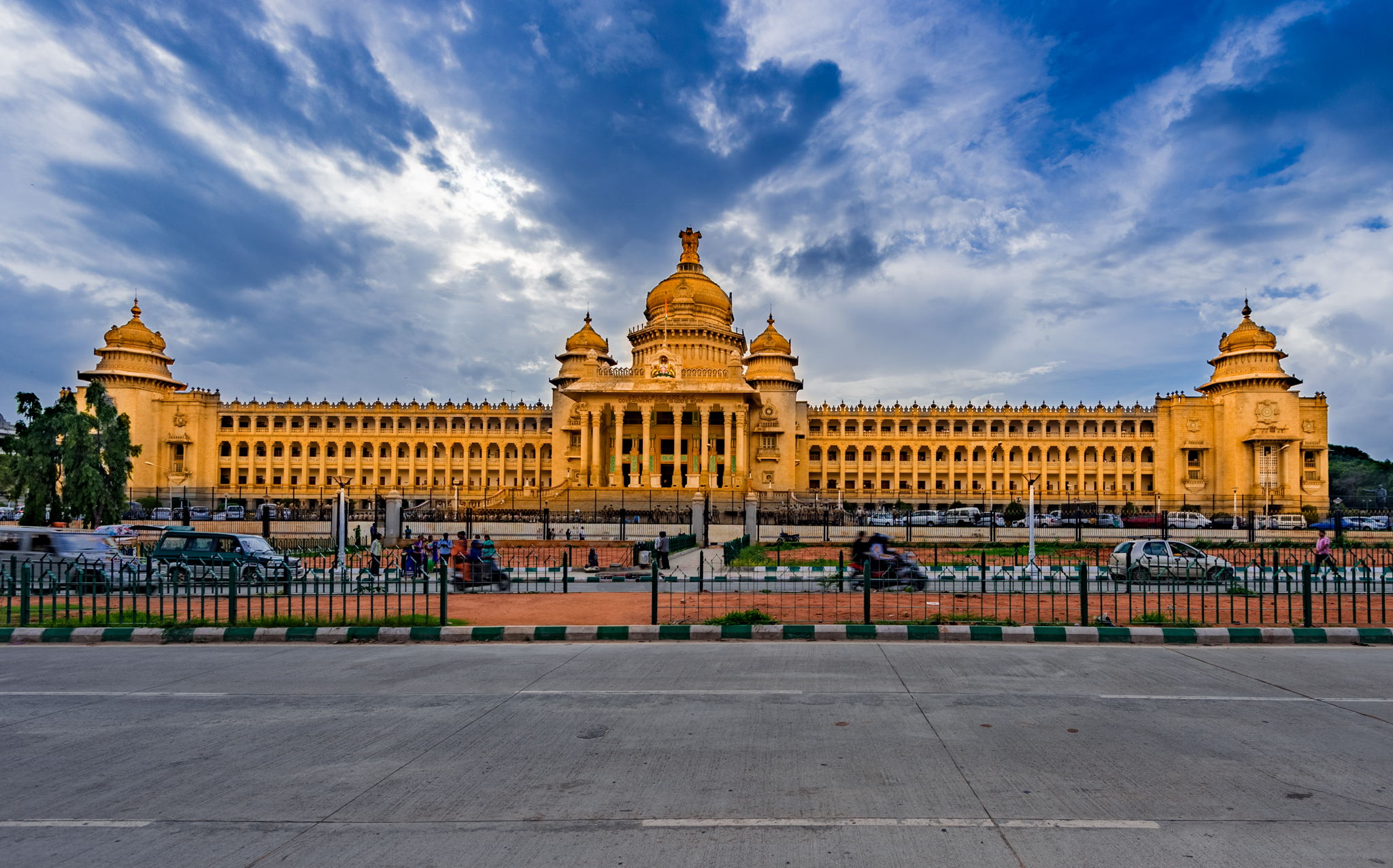
    Vidhana Soudha in Bengaluru, photographed in 2016. Archive venue photograph; not the reported civic event. Photo: Bikashrd / Wikimedia Commons · CC BY-SA 4.0. Display crops may be applied.
  • BMC clears Bandra football-ground reservation change as opposition seeks protection

    BMC clears Bandra football-ground reservation change as opposition seeks protection

    Archive report · 2026-08-19

    The BMC General Body approved a proposal on 18 August 2026 to change the reservation of Bandra’s Neville D’Souza football ground to an exhibition or convention use. The decision drew objections over the loss of sporting space, while the Mumbai Football Association’s court challenge remained pending. Civic approval of the proposal was not evidence that a convention centre had already been built.

    What did the elected body decide?

    The Free Press Journal reported that the special General Body meeting backed replacing the playground reservation on a MHADA plot at Bandra Reclamation in the Development Plan. It said the proposal had already passed through the Improvement Committee and was put to a vote despite Congress objections.

    The Indian Express reported that mayor Ritu Tawde defended the earlier committee discussion. Congress corporator Raja Rahebar Khan argued for protecting a ground used by football clubs. BJP corporator Swapana Mhatre, defending the change, cited the site’s earlier reservation history and said another ground would be made available.

    Competing accounts of the public interest

    Opponents treated the ground as scarce sporting infrastructure, rather than merely an available plot. Supporters argued from the reservation history and the proposed alternative use. Those arguments describe different ways of valuing the same land; neither a promised replacement nor the sporting community’s objection alone establishes the full administrative record.

    The reports gave differing descriptions of plot size and football-club usage. This account does not merge those figures into a precise surveyed area or independently verified annual user count. Such comparisons require the actual plan boundary and records of use.

    What remained unresolved at the archive cut-off?

    The Mumbai Football Association had approached the Bombay High Court. The cited August accounts described replies and a hearing still to come. They did not establish a final judicial ruling on the merits. This report closes on the morning of 19 August and does not import later court directions into that earlier position.

    For residents and players, the practical follow-up would be whether access to an equivalent ground was secured before any change on site, and on what terms. For planning scrutiny, the relevant records would identify the reserved parcel, the proposed amendment and the reasons for selecting it. A promise of another venue becomes assessable when its location, size, accessibility and availability are specified.

    The confirmed political development was the General Body’s approval amid opposition. The future of the site still depended on further administrative and legal steps. Treating the vote, construction and final court outcome as one event would erase the uncertainty that existed at this date.

    Quick answers

    Had a convention centre already replaced the pitch?

    The reports established a reservation-change proposal and civic vote, not completed construction.

    Was the football association’s case finally decided?

    No final merits decision is established at this archive cut-off.

    Was another ground guaranteed in an implemented arrangement?

    A representative promised an alternative; this report does not establish its delivery.

    Sources and archive context

    Free Press Journal, 18 August 2026: vote and pending challenge

    The Indian Express, 19 August 2026: opposing arguments and reservation history

    This report records the position at the stated historical publication date. Proposals, allegations and anticipated events are not presented as final outcomes.

    More Mumbai political news · IndianVoter newsroom

    Image source

    Bandra Reclamation photographed on 27 August 2005. Archive area photograph; it does not depict Neville D’Souza Ground or a completed convention centre. Photo: Rakesh from Bangalore / Wikimedia Commons original file page · CC BY-SA 2.0. Resized where applicable; display crops may be applied. The photograph remains under the linked licence.

  • BMC examines sewage charge for small homes exempt from property tax

    BMC examines sewage charge for small homes exempt from property tax

    Archive report · 2026-08-19

    The BMC was examining a sewage charge for Mumbai homes smaller than 500 square feet that were exempt from property tax, according to a 19 August 2026 report. Officials anticipated a possible April 2027 start, but the formula was still being prepared and a proposal was to go before the Standing Committee. The report did not establish a new charge already appearing on residents’ bills.

    What was the administration’s rationale?

    The Indian Express reported that officials linked the proposed charge to maintaining sewage services for properties outside the property-tax collection base. It said a civic survey had identified 54,226 residential properties for the proposed component. Officials anticipated annual revenue of roughly ₹90–100 crore.

    The same account recorded opposition leader Kishori Pednekar’s criticism of further burdens on residents. That was a political objection to the proposal, rather than a formal decision rejecting it. The administration’s estimate was prospective revenue, not money already collected.

    A tax exemption and a proposed service charge are different questions

    The policy issue is how the city would finance a service used by households benefiting from an existing exemption. The answer depends on the final charging authority, coverage and calculation. A broad argument that every household generates sewage cannot, by itself, establish the amount payable by a particular property.

    The report said officials were considering ready-reckoner rates when developing the formula. A final proposal would need to show how that basis translated into bills and whether comparable properties were treated consistently. Until the calculation was published, a total revenue ambition could not reliably be converted into a household-level prediction.

    The announcement also needs to be distinguished from the separate water-charge discussion reported at the time. Different charges may share a civic revenue objective while requiring different rates and approvals. This article counts the small-home sewage proposal as one story, rather than turning each figure in the same debate into a separate development.

    At the historical cut-off, the confirmed news was a proposal under preparation with an intended future financial-year start. This account does not decide an individual property’s liability or assume later approval. The follow-up would be the actual committee decision, operative rate and implementation record.

    Quick answers

    Was the new sewage charge already in force?

    The cited August account described preparation and a possible April 2027 start.

    Was the revenue estimate a collection total?

    No. It was the administration’s prospective annual estimate.

    Had the billing formula been finalised?

    No. Officials said calculation work was underway before committee consideration.

    Sources and archive context

    The Indian Express, 19 August 2026: proposed charge, survey, unfinished formula and opposition response

    This report records the position at the stated historical publication date. Proposals, allegations and anticipated events are not presented as final outcomes.

    More Mumbai political news · IndianVoter newsroom

    Image source

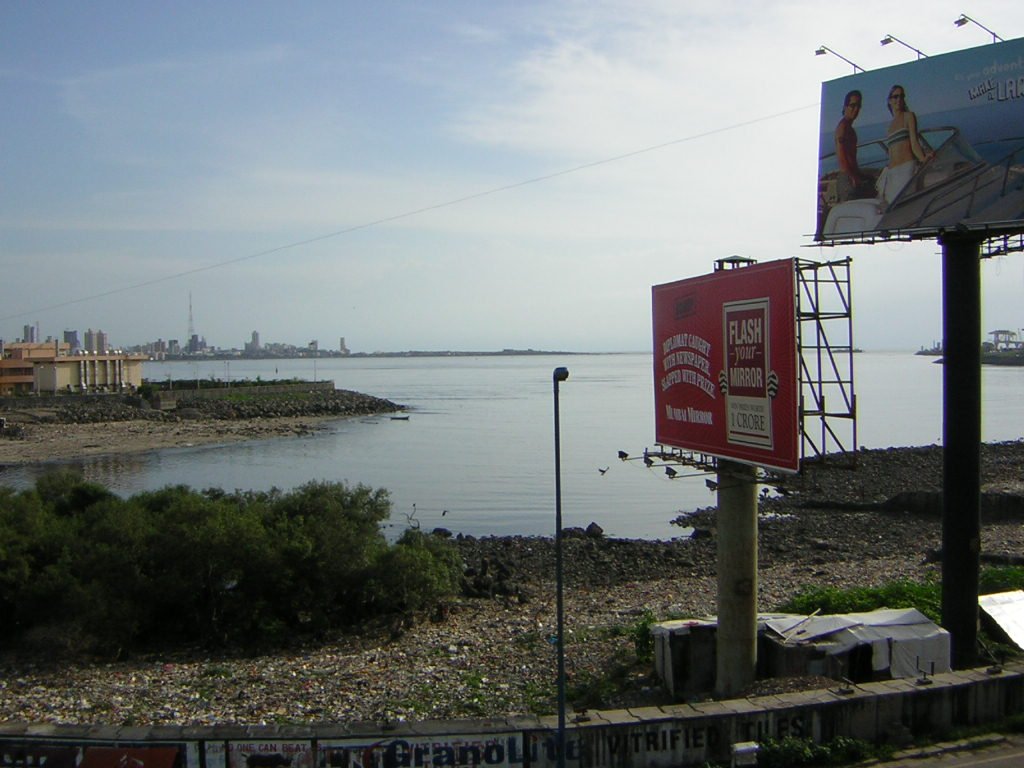
    Raheja Vivera in Mumbai photographed on 24 August 2025. Archive residential-building photograph; it does not identify properties covered by the proposed small-home sewage charge or establish their floor areas. Photo: Creater903a / Wikimedia Commons original file page · CC0. Resized where applicable; display crops may be applied. The photograph remains under the linked licence.

  • Sakinaka manhole death prompts BMC suspensions and contractor action

    Sakinaka manhole death prompts BMC suspensions and contractor action

    Archive report · 2026-07-03

    The Brihanmumbai Municipal Corporation suspended four officials and ordered action against a contractor after a pedestrian died in an open manhole on Khairani Road in Sakinaka on 2 July 2026. The response followed a fatal failure of protection at a worksite where a safety grille was reportedly being installed. The disciplinary measures did not amount to a completed inquiry or a criminal conviction.

    A safety installation became a pedestrian hazard

    The Indian Express identified the deceased as Aslam Shaikh and reported that CCTV footage showed no barricade or warning at the opening. Workers had been carrying out grille-related work. The account placed the immediate danger in the interval when the manhole was accessible to people using the road.

    That distinction matters for the civic response. A programme intended to make manholes safer still requires protection while its equipment is being installed. The eventual presence of a grille cannot retrospectively establish that an exposed worksite was safe for pedestrians.

    What the corporation announced

    The reported action covered four civic officials, including the assistant municipal commissioner, alongside directions concerning the contractor’s blacklisting. NDTV’s Hindi report recorded municipal commissioner Ashwini Bhide acknowledging lapses and ordering an inquiry. It also reported a deadline for the inquiry committee and a wider inspection direction.

    Mayor Ritu Tawde announced assistance of ₹10 lakh for the family. At this article’s publication cut-off, the cited accounts established the announcement. They did not establish that the money had already reached the family. A payment announcement and proof of disbursement must remain separate entries in the public record.

    Suspension is an administrative step during the response to an incident. It should not be presented as a final determination of every person’s liability. Similarly, a direction to inspect manholes is a task assigned to the administration; it is not evidence that every inspection has been completed.

    The records needed to test the response

    The inquiry’s useful public questions include who controlled the worksite, which safety conditions applied, what checks were required and how an unprotected opening remained accessible. Contract conditions and inspection records would help connect individual instructions to actual responsibility. This article does not invent answers that the preliminary reporting did not supply.

    For the wider city, the relevant follow-up is whether inspection orders produce a traceable record of defects, temporary protection and repairs. Aggregate claims about the number of grilles cannot substitute for checking an individual hazardous location. At this historical cut-off, the confirmed developments were the death, the announced disciplinary and contractor measures, and the inquiry process. Later findings or compensation payments are not imported into this July report.

    Quick answers

    Did the inquiry finish on 2 July?

    The cited reporting described an inquiry being ordered, rather than a final report.

    Had the announced family assistance already been paid?

    Payment was not established by the sources available at this archive cut-off.

    Does suspension establish criminal guilt?

    No. It is an administrative action and is not a criminal conviction.

    Sources and archive context

    The Indian Express, 2 July 2026: fatal incident and civic response

    NDTV Hindi, 2 July 2026: suspensions, inquiry and assistance announcement

    This report records the position at the stated historical publication date. Proposals, allegations and anticipated events are not presented as final outcomes.

    More Mumbai political news · IndianVoter newsroom

    Image source

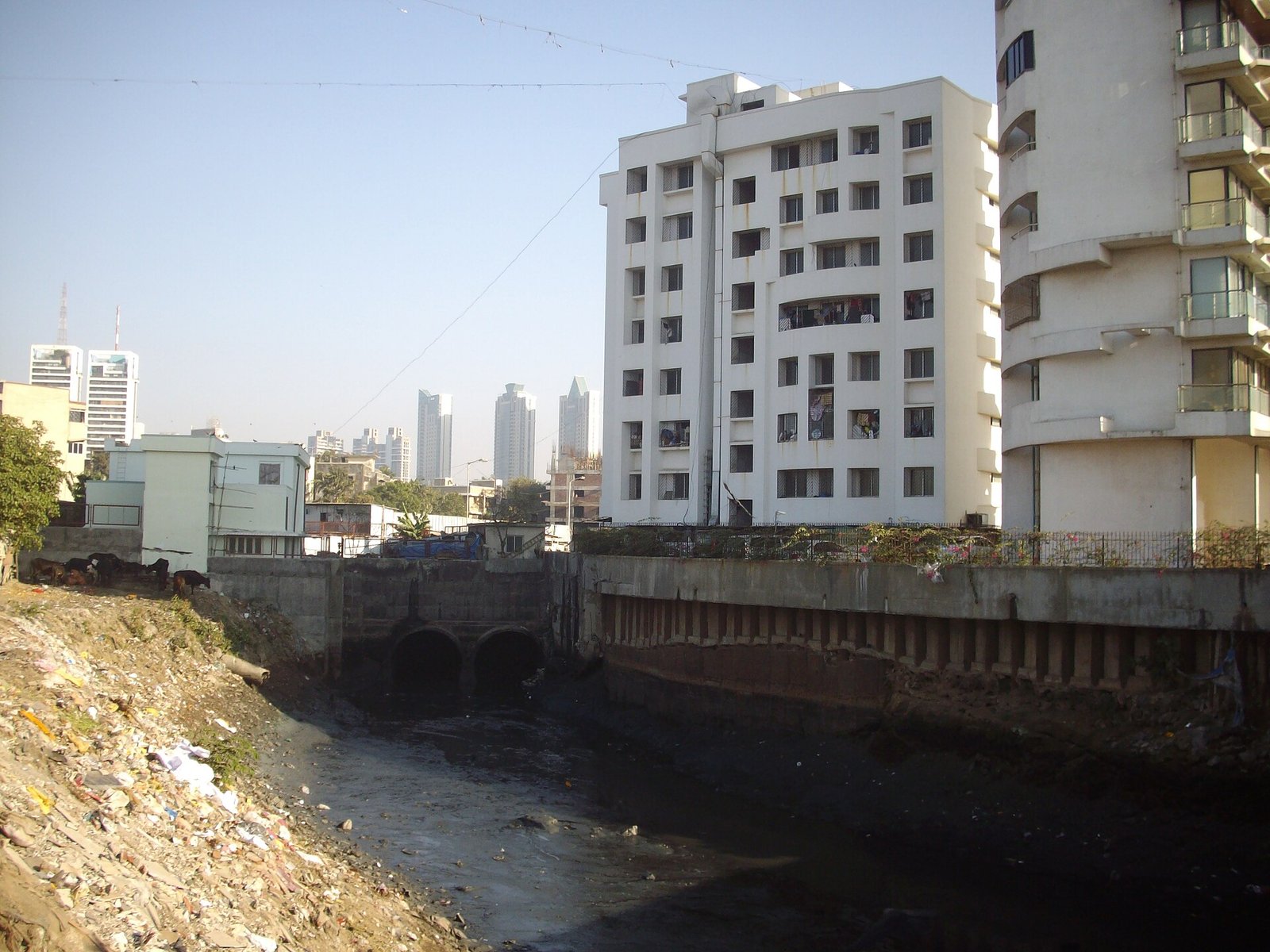
    A Worli drain outlet photographed in Mumbai on 19 January 2011. Archive illustration of city drainage; not the Khairani Road worksite or the July 2026 accident. Photo: Rudolph.A.furtado / Wikimedia Commons original file page · Public domain. Resized where applicable; display crops may be applied. The photograph was dedicated to the public domain by its uploader, as recorded on the original file page.

  • MNS questions drain-cleaning claims as BMC reports ₹9.25-crore contractor penalties

    MNS questions drain-cleaning claims as BMC reports ₹9.25-crore contractor penalties

    Archive report · 2026-06-14

    MNS questioned Mumbai’s drain-cleaning claims on 13 June 2026, releasing photographs it said showed silt remaining at several locations. The BMC defended its oversight and reported contractor penalties exceeding ₹9.25 crore. The dispute brought together physical readiness for the monsoon and the reliability of the records used to certify work.

    What did the political challenge allege?

    The Free Press Journal reported MNS group leader Yashwant Killedar’s allegations concerning drains in areas including Wadala, Dharavi, Govandi and Kurla. He accused the administration of relying on staged inspections. These were political allegations; the report did not establish a completed independent finding that every cited inspection was staged.

    The civic response said the work was monitored through mandatory records and that deficiencies had led to deductions from contractors’ payments. That response shows the administration’s enforcement position, not an independent certification that all drain capacity had been restored.

    What did the monitoring identify?

    Mid-day described a system analysing contractor photographs and videos, supplemented by physical checks. Reported deficiencies included reused or missing images, missing unloading videos, mismatches in vehicle and work records, and shortages of equipment or safety arrangements. The BMC said penalties were being recovered from bills.

    The published accounts contained inconsistent detail in the category-wise penalty breakdown. This article therefore retains the reported overall figure without presenting an unreconciled table as an audited total. A penalty imposed and a penalty fully recovered are also different accounting stages.

    Work records and water flow need separate checks

    Images and trip records can help show whether a contractor followed reporting conditions. They do not alone establish the hydraulic capacity of every drain. Conversely, a photograph of silt at one point needs a location, date and work context before it can demonstrate the condition of an entire programme.

    The useful comparison would join the work order, material removed, disposal record and on-site inspection with the remaining condition of the drain. That chain is more informative than either a sweeping completion claim or an isolated image without context.

    For residents, the intended outcome is effective drainage when rain arrives. At this archive cut-off, that outcome had not been established for every location by the cited reports. The confirmed development was the MNS challenge, the BMC’s defence and its reported enforcement action. No later flooding outcome or inquiry finding is imported into this June account.

    Quick answers

    Did the article establish that all inspections were staged?

    No. That was an attributed political allegation.

    Did penalties prove every drain was ready?

    No. Enforcement records and physical drainage performance are different measures.

    Why is no detailed penalty table reproduced?

    The published breakdowns were inconsistent and were not independently reconciled.

    Sources and archive context

    Free Press Journal, 13 June 2026: MNS allegations and civic response

    Mid-day, 13 June 2026: monitoring requirements and reported deficiencies

    This report records the position at the stated historical publication date. Proposals, allegations and anticipated events are not presented as final outcomes.

    More Mumbai political news · IndianVoter newsroom

    Image source

    The Mithi River photographed on 13 September 2008. Archive waterway photograph; not a June 2026 inspection or proof about a contractor’s work. Photo: Nicholas (Nichalp) / Wikimedia Commons original file page · CC BY-SA 3.0. Resized where applicable; display crops may be applied. The photograph remains under the linked licence.

  • Agartala’s ₹975.91-crore budget proposes market bonds without new taxes

    Agartala’s ₹975.91-crore budget proposes market bonds without new taxes

    Archive report · 2026-06-03

    Agartala Municipal Corporation proposed a ₹975.91-crore budget for 2026–27, including a plan to raise ₹100 crore through municipal bonds for four city markets, without introducing fresh taxes. Mayor Dipak Majumder presented the programme as an expansion of civic infrastructure and services. The budget announcement did not establish that bonds had been issued or that redevelopment contracts had been awarded.

    Four markets at the centre of the financing plan

    The proposed borrowing would support Lake Chowmuhani Bazar, Durga Chowmuhani Bazar, GB Bazar and Border Gol Chakkar Bazar. India Today NE’s 1 June account and Tripurainfo’s 2 June report both identified these markets and the ₹100-crore proposal.

    For traders, the important next questions concern the redevelopment timetable, temporary trading arrangements and what facilities would actually change. The cited announcements did not provide a market-by-market construction schedule or a final relocation plan. A borrowing proposal should therefore not be read as notice that every trader must immediately move.

    What the headline budget covers

    Reported expected receipts were ₹974.93 crore, leaving a projected deficit of roughly ₹98 lakh against the expenditure estimate. That budget gap is different from the proposed bond amount: borrowing for identified projects and the difference between annual estimated receipts and expenditure are separate figures.

    Tripurainfo reported ₹536.45 crore earmarked for capital expenditure. It also described ward-office tax-payment facilities and a proposed 50-bed civic hospital with evening specialist outpatient services. India Today NE reported planned electric cremation furnaces and improvements to burial facilities. These were budget commitments and proposals, rather than a verified list of completed facilities.

    Why the bond proposal needs its own public record

    A municipal bond raises money that the issuer must service under its eventual terms. Its announcement does not disclose the final interest rate, repayment schedule or project revenue arrangements. Those details would be necessary before assessing the cost of the proposed finance.

    The practical distinction for residents is between authorising a direction and delivering a service. A market work order, a hospital opening notice and a bond offering document would answer different questions. None can be substituted by the overall budget total. At this June cut-off, the confirmed development was the corporation’s financial plan and the mayor’s stated priorities; implementation remained to be documented.

    Quick answers

    Which markets were named?

    Lake Chowmuhani, Durga Chowmuhani, GB and Border Gol Chakkar markets.

    Were the bonds already issued?

    The cited reports described a proposal, rather than a completed bond issue.

    Did the budget introduce a fresh tax?

    The mayor said no new taxes were proposed.

    Sources and archive context

    India Today NE, 1 June 2026: budget and service proposals

    Tripurainfo, 2 June 2026: market borrowing proposal and expenditure priorities

    This report preserves the position at its historical publication date. Later decisions and outcomes are not included.

    More Agartala political and civic news · IndianVoter newsroom

    Image source

    Agartala Town Hall, in an archive photograph uploaded to Commons on 17 January 2012. The description does not give a capture date. This is not the June 2026 budget presentation. Photo: Scorpian ad / Original file page · CC BY 3.0. Resized where applicable; display crops may be applied. The photograph remains under the linked licence.

  • BMC prepares fresh smart-parking tender after weak bidder response

    BMC prepares fresh smart-parking tender after weak bidder response

    Archive report · 2026-06-02

    The BMC planned to refloat its smart-parking tender with revised conditions after an earlier procurement attracted an inadequate response, according to a 1 June 2026 report. The proposed system would combine on-street and off-street parking management with digital information. The tender revision did not establish that a booking app was already operating across Mumbai.

    What was being changed?

    The Times of India reported that the civic body intended to remove an earlier requirement for operators to pay property tax on off-street public parking lots and revise financial eligibility criteria. Additional municipal commissioner Abhijit Bangar said the administration wanted agencies able to integrate equipment with analytical software.

    The proposed public-private arrangement included cameras, sensors and barriers linked to parking-availability information. Those features described the intended system. They were not a completed inventory of devices installed at every parking location.

    A better tender response is an intermediate goal

    Revising conditions can change which firms are able or willing to bid, but the eventual test is whether a selected operator can provide a reliable service under clear terms. A larger number of bids would not, by itself, demonstrate accuracy of the public dashboard or fair treatment of users.

    The final documents would need to explain the locations covered, charges, responsibilities and the handling of unavailable or incorrectly displayed spaces. Without that detail, a general promise of advance booking cannot tell a motorist whether a particular destination will have a reservable slot.

    Parking information and congestion are different outcomes

    Reliable availability data could reduce uncertainty for a driver. Whether it reduces traffic across a neighbourhood would need separate evidence. The system’s stated congestion objective should therefore remain an intended benefit, rather than a measured result established by the procurement announcement.

    The useful follow-up would identify the tender award, rollout sites, operational checks and actual user-facing availability. That would allow the public to distinguish a procurement milestone from a working service. It would also show whether the hardware and software were functioning together as the administration intended.

    This archive records the June decision to revise and refloat the procurement. It does not claim a completed citywide launch, recommend a booking service or assume later bidder selection. No current parking availability or price is inferred from the historical proposal.

    Quick answers

    Was a citywide app already launched?

    The report described a planned tender revision, not a verified citywide launch.

    Why were conditions being revised?

    The earlier tender had drawn an inadequate response and officials sought an integrated operator.

    Did the announcement prove congestion had fallen?

    No. Reduced congestion was an intended benefit requiring later evidence.

    Sources and archive context

    The Times of India, 1 June 2026: procurement changes and proposed system

    This report records the position at the stated historical publication date. Proposals, allegations and anticipated events are not presented as final outcomes.

    More Mumbai political news · IndianVoter newsroom

    Image source

    A parking area at Rajiv Gandhi Institute of Technology, Versova, photographed on 21 July 2008. Archive illustration; not a verified location in the proposed smart-parking rollout. Photo: Abhayantony / Wikimedia Commons original file page · Public domain. Resized where applicable; display crops may be applied. The photograph was dedicated to the public domain by its uploader, as recorded on the original file page.

  • ZPM names H. Lalremtluanga as Aizawl mayor after civic election win

    ZPM names H. Lalremtluanga as Aizawl mayor after civic election win

    Archive report · April 29, 2026

    Aizawl: The Zoram People’s Movement has named H. Lalremtluanga as Aizawl’s mayor and R. Lalawmpuii as deputy mayor after winning 17 of the municipal corporation’s 19 seats. The announcement puts names to the party’s proposed civic leadership following the April election.

    India Today NE reported the selections on April 28, following a victory celebration at the ZPM office in Aizawl. Its account identifies Lalremtluanga with ward 6 and Lalawmpuii with ward 16, and describes the new municipal term as 2026–31.

    The council mandate and leadership announcement

    Polling took place on April 21, with results declared on April 27, according to the dated report. The Mizo National Front and Congress won one seat each. The BJP, which contested 11 seats, won none.

    The leadership announcement also included four executive corporators. For readers tracking the formation of the civic administration, it is useful to distinguish the election result from the subsequent allocation of leadership roles: voters elected the council, while the April 28 report records the party’s announcement of its choices.

    Names and wards checked against the municipal directory

    AMC’s official councillor directory lists H. Lalremtluanga as mayor for ward VI and R. Lalawmpuii as deputy mayor for ward XVI. Those names and ward numbers corroborate the contemporary report. The directory is a later cross-check, rather than evidence for an unreported oath-taking date.

    For local coverage, accuracy in names matters: the deputy mayor is R. Lalawmpuii. The official list separately identifies B. Lalawmpuii as a different councillor. Readers should use the initial and ward number when checking their representative.

    The result creates a clear political mandate within the corporation. It does not by itself establish that a particular road, sanitation project or spending proposal has been approved. Those decisions require their own municipal records and reporting.

    Frequently asked questions

    Who was named mayor and deputy mayor?

    ZPM named H. Lalremtluanga and R. Lalawmpuii respectively. The official AMC directory corroborates their names and ward VI and XVI assignments.

    How many seats did ZPM win?

    The April 28 report records 17 of 19 seats for ZPM, leaving one each for MNF and Congress.

    Does this report confirm new municipal projects?

    No. Its subject is the election outcome and leadership announcement. A project’s funding, approval or completion must be checked separately.

    Sources and archive context

    The historical sequence follows India Today NE’s April 28, 2026 report. The official AMC councillor directory, checked subsequently, corroborates names and wards; later policy outcomes are not imported into this April archive account. See more Aizawl political and municipal news.

    Image source

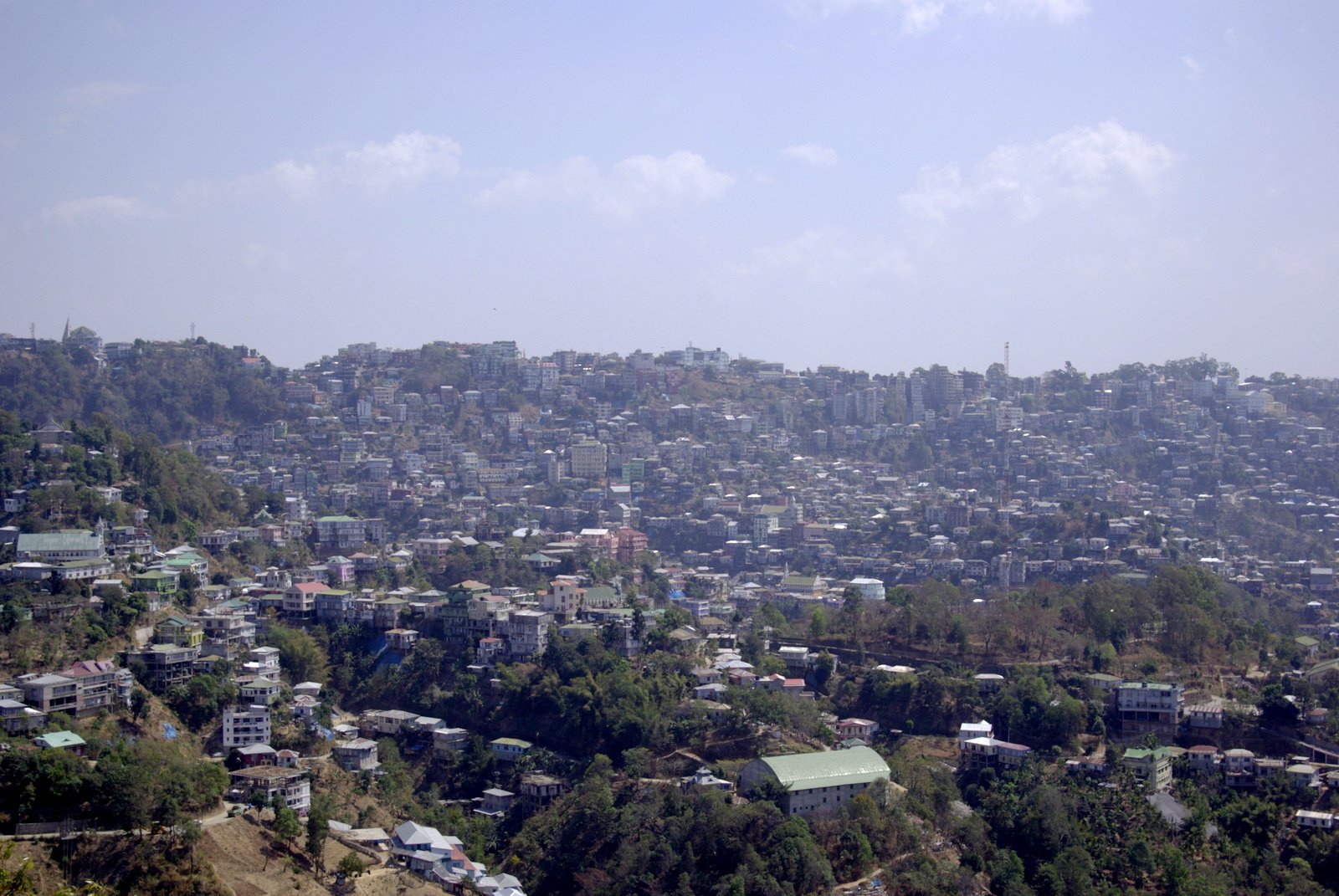
    Aizawl photographed on 6 March 2010. Archive cityscape illustrating the municipal area; not a photograph of the mayoral announcement or either office-bearer. Photo: Bogman / Original file page · CC BY-SA 3.0. Original file downloaded unchanged; WordPress may resize or crop for display. The photograph remains under the linked licence.